Regions

The regions of Belize offer amazingly diverse terrain to explore, including over 200 offshore cayes, rain forest jungle and lush farmland.

The Cayes

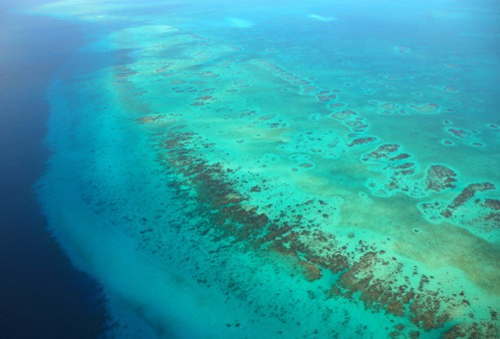
Off the coast of Belize, more than 200 cayes dot the Caribbean sea, most of which lie within the barrier reef. A handful are inhabited by small local fishing communities and the ambiance varies from chilling with the locals in ramshackle beach bars, to hanging out in boutique resorts.

Of the hundreds of islands in the Caribbean Sea, a handful are inhabited by local fishing communities, guests houses, hotels, and restaurants.  The most developed is Ambergris Caye, which touches the Yucatan peninsular of Mexico and lies a quarter of a mile from the second largest barrier reef in the world.  It's one of the best locations in the world for scuba diving, snorkeling and sports fishing. Ambergris Caye has the broadest range of tourist amenities in all of Belize, ranging from locally-run guest houses to five star award winning boutique resorts, offering some of the finest dining in all of Belize.  Accommodation options also include some spectacular private beachfront homes, steps from the water’s edge. Caye Caulker is often referred to as Ambergris Caye’s sleepy sister.  Life is typically laid back so it is a great place to go and unwind, eat a fresh fish dinner in one of a handful of waterfront dining establishments and check out the local arts and crafts.  Next to Caye Caulker is Caye Chapel, an island turned into a golf course, where you can spend the day playing golf, cruising in your golf buggy, crocodile spotting, enjoying a spa treatment or snorkeling the reef. Twenty minutes by boat from Belize City is St. Georges Caye, steeped in history as it was the first capital of the British settlement. The island is principally home to private families, however it is possible to use this as a base for some great dives. Further South are three atolls (out of only four in the whole Caribbean) – Lighthouse, Glovers and Turneffe. The atolls formed millions of years ago on giant tectonic faults, where limestone provided perfect conditions for coral growth. The oval shaped masses of coral have central lagoons with water 10 to 30 feet deep and the ocean falls sharply to 1,000 feet or more outside the walls, making for spectacular dive territory. There are just a handful of small diving and fishing resorts on the atolls. The breathtaking Blue Hole, one of the most famous dive sites in the world is a collapsed atoll where divers can witness the largest underground stalactites in the world.<
Northern Belize

With picturesque fishing villages, ancient Mayan sites, colonial towns steeped in history and more orange groves than beach bars, easy going Northern Belize is a great place to get off the beaten track and explore. With an area of around 3,000 square miles and a population of 80,000, the main activity here is farming and for miles the landscape is dominated with citrus groves, cattle ranges and sugarcane fields.

With picturesque fishing villages, ancient Mayan sites, colonial towns steeped in history and more orange groves than beach bars, easy going Northern Belize is a great place to get off the beaten track and explore. With an area of around 3,000 square miles and a population of 80,000, the main activity here is farming and for miles the landscape is dominated with citrus groves, cattle ranges and sugarcane. The main districts are Corozal on the Mexican border in the north and Orange Walk, around 50 miles from Belize City, both on the northern highway. Given their proximity to Mexico, both towns have a more Mexican vibe than other areas of Belize - this is evident in the cuisine, where you're more likely to be eating empanadas than rice and beans. Along with exploring back roads and tiny villages, there are some noteworthy attractions that should not be missed. Several of the most interesting Mayan sites are in Northern Belize, in particular Lamanai, which is Belize's longest occupied Mayan site where signs of occupation span from 1500 BC to AD 1700, when the Spanish missionaries arrived. Of the 50 or so Mayan structures, the most impressive is the stepped temple, built into the hillside overlooking the New River Lagoon, which is said to be the largest pre-Classical structure in Belize. sss The best way to approach the ruins is by boat, a 90 minute trip from Orange Walk Town. The journey passes through some of the most beautiful jungle in northern Belize, with great opportunities for wildlife spotting, as well as seeing the Mennonite community of Shipyard, before reaching Lamanai. For wildlife enthusiasts, Crooked Tree Wildlife Sanctuary is possibly the best area in all of Belize for bird and animal lovers. Traveling by canoe through the chain of inland waterways, look out for crocodiles, iguanas, turtles and the largest flying bird in Central America - the jabiru stork, with a wingspan of up to 12ft. Among the plethora of birds to spot, look out for ospreys, egrets, kites, hawks and all 5 species of kingfisher native to Belize. Corozal town and Sarteneja, on the northern coast are great places to explore on a day trip. Corozal Town, bordering Mexico, is a prosperous commercial centre with the hub of the town life based on the bay, with waterside thatched bars and parks. There are some fine examples of Spanish colonial structures to explore, in particular the old market and customs house, built in 1886. By contrast, Sarteneja, a 30 minute boat ride from Corozal, is a tiny, fishing village, largely untouched by tourism. For a glimpse of how things were when a fishing village was just a fishing village, it's well worth the trip.<
Cayo District

Cayo is the hub of adventure paradise, where the list of things to do and places to explore is endless. Hike or horse ride through the jungle, canoe down the Macal river, or float on an inner tube through the largest cave network in Central America. Explore a range of magnificent Mayan sites, hang with the locals at the weekly farmers' market, or just luxuriate in one of a number of pristine jungle lodges.

Cayo is the hub of adventure paradise, where the list of things to do and places to explore is endless.  Hike or horse ride through the jungle, canoe down the Macal river, or float on an inner tube through the largest cave network in Central America.  Explore a range of magnificent Mayan sites, hang with the locals at the weekly farmers' market, or just luxuriate in one of a number of pristine jungle lodges. Mayan Sites are plentiful with the most impressive being Caracol and Xunantunich. Caracol is the most spectacular in all of Belize and was one of the most powerful cities in the entire Mayan world, stretching over 70 sq miles, set in rich jungle terrain in the Mountain Pine Ridge. Xunantunich is reached by a hand-cranked ferry across the Mopan river off the Benque road. Whilst the site is far smaller in comparison, the complex of temples and plazas are no less impressive, with the dominant El Castillo central shrine rising to 130ft. Cayo boasts the largest cave network in all of Central America. A popular way to explore is by gently floating down the current on inner tubes, admiring the mineral deposits, stalactites and ancient Mayan inscriptions as you go. For a more enduring but breathtaking experience, visit the ATM (Actun Tunichil Muknal) Caves, where you swim, crawl and scramble through multiple dark caverns, discovering Mayan artifacts, drawings and even skeletons from rituals over 1,000 years old. Over sixty per cent of the Cayo district is national park, the largest being Mountian Pine Ridge Reserve, at around 130,000 acres. Based on the lower slopes of the Maya Mountains, the transition from tropical rain forest to pine forest is dramatic. With plenty of waterfalls, caves, rivers and pools, there is certainly more than a day’s worth of terrain to explore. Some of the finest and most famous jungle lodges are in Cayo – sip on a cocktail after a day trip around Mountain Pine Ride at Blancaneaux, Francis Ford Coppolla’s resort, canoe in the morning and indulge in ‘the body coma’ massage in the afternoon at The Lodge at Chaa Creek, or enjoy some of the finest dining in all of Belize at award winning Ka’ana boutique resort. The hub of the district is San Ignacio town, which is an excellent base for exploring Cayo. With a true Belizean vibe, colorful wooden buildings, fun local eateries and the largest weekly market in all of Belize, it is well worth a visit.<
Southern Belize

With pristine rain forests, expansive orange groves, banana plantations and cacao farms, the terrain of Southern Belize makes it truly unique. Throw in spectacular beaches, world-class fishing, a rich Mayan heritage and a more Afro-Caribbean vibe, it becomes clear why the area has appeal to such a wide variety of travelers.

With pristine rain forests, expansive orange groves, banana plantations and cacao farms, the terrain of Southern Belize makes it truly unique. Throw in spectacular beaches, world-class fishing, a rich Mayan heritage and a more Afro-Caribbean vibe, it becomes clear why the area has appeal to such a wide variety of travelers. The area comprises two districts: Toledo, known as the ‘deep south’ and Stann Creek. Toledo boasts a rich cultural mix of Maya, Garifuna and Creole people, whilst Stann Creek is the ancestral home of the Afro-Caribbean Garifuna people. Tourism has largely passed Dangriga by, the largest town in southern Belize and spiritual home to the Garifuna people. The vibe is slightly ramshackle, but it has a great cultural significance, which comes to the fore on November 19th, where the town cuts loose for Garifuna Settlement Day. The carnival style celebrations include drumming, dancing and punta music. Hopkins Village is a small Garifuna / hippie village with good beaches perched half way between Dangriga and Placencia. A number of new resorts have begun to emerge as the village is beginning to be discovered. Founded by pirates and set on a pristine half-moon bay, the fishing village of Placencia is the perfect spot for diving, snorkeling, swimming, or just relaxing in a hammock. The village is dotted with colorful rustic wooden cottages on stilts down tiny pathways, quaint guesthouses and a few local eateries under thatched roofs. Up the peninsula, more upmarket resorts are beginning to develop as the area slowly becomes more cosmopolitan. Since the recent extension of the paved road, travelers have been much more able to access the Toledo District to explore the myriad jungle trails, lagoons, rivers and caves and to meet the extremely friendly, principally Mayan people.  The only major town is Punta Gorda and whilst it lacks the quality of the beaches in Placencia or the Cayes, travelers are drawn to the charm of the town and its unpretentious feel.  Along with the tropical fruits grown in the surrounding areas, cacao is grown extensively in the area and has become famous by being the sole supplier for Green and Black’s luxury, organic chocolate, with it’s award winning Maya Gold brand of chocolate. The area comes to life in May to celebrate with the Toledo Cacao festival.<

Contact us

hello@absolutebelize.com

Toll Free: +1 800 640 2182

Belize: +501 621 0417

Cayo District,

Cayo is the hub of adventure paradise, where the list of things to do and places to explore is endless.  Hike or horse ride through the jungle, canoe down the Macal river, or float on an inner tube through the largest cave network in Central America.  Explore a range of magnificent Mayan sites, hang with the locals at the weekly farmers’ market, or just luxuriate in one of a number of pristine jungle lodges.

View our fantastic properties

Absolute blog

A Royal Reception
15 December 2011

To mark the Queen of England’s Diamond Jubilee in 2012, Belize will be proudly hosting [...]